Capacitors
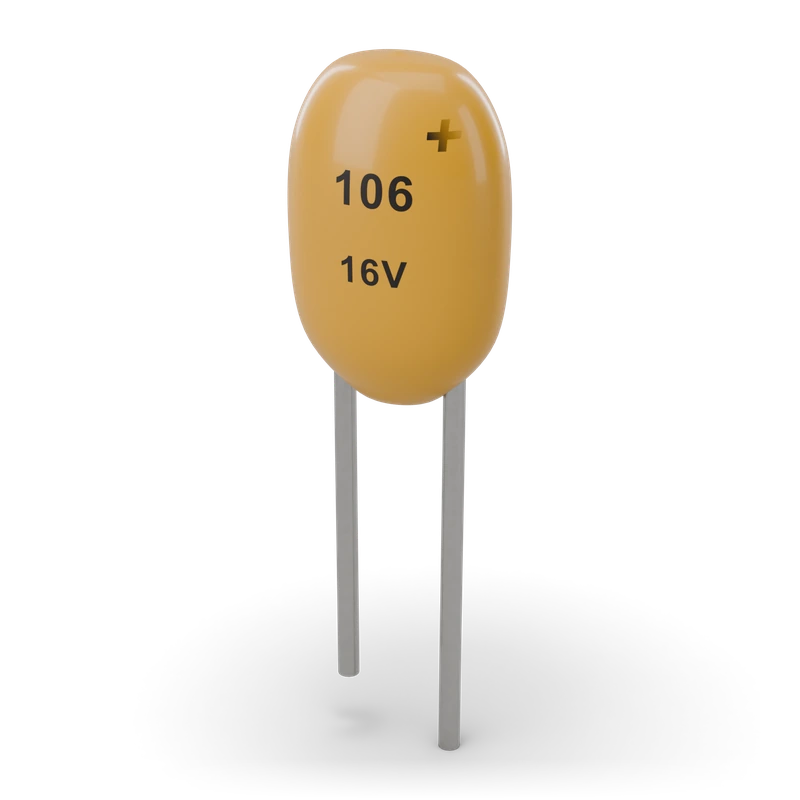
A capacitor stores electric charge in the insulator between two conductors. Ceramic and film types have small values and are non-polarized; electrolytic, tantalum and supercapacitors have large values but are polarized. Capacitance, voltage, polarity and loss (ESR) decide the choice.
7 types3 groupsSymbol IEC
Non-polarized
4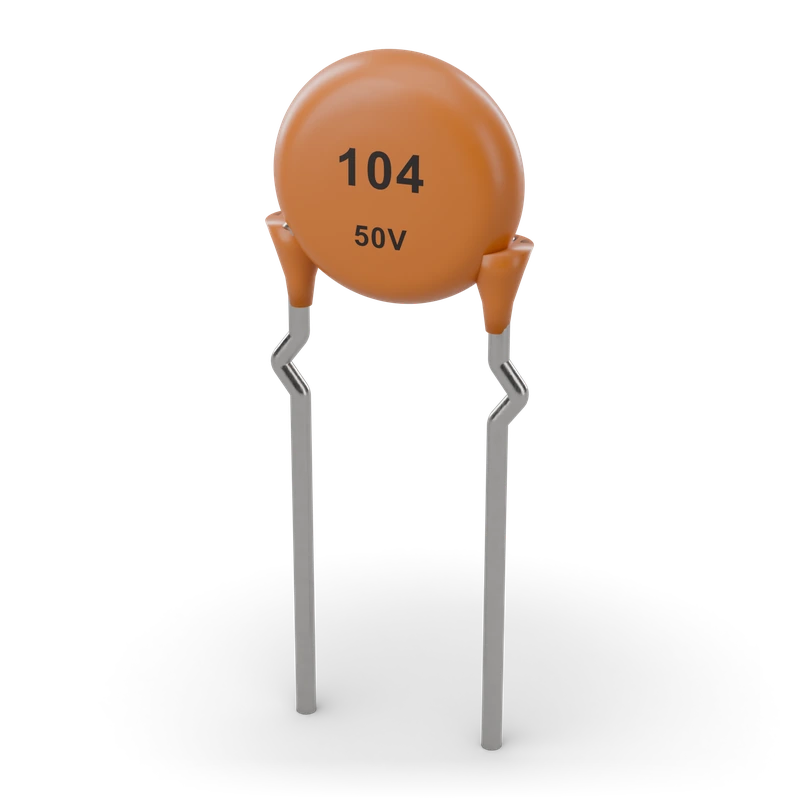
Ceramic discSmall-value general-purpose filtering and decoupling, breadboard experiments
- Code
- 104 = 100 nF
- Voltage
- 50 V
- Polarity
- None
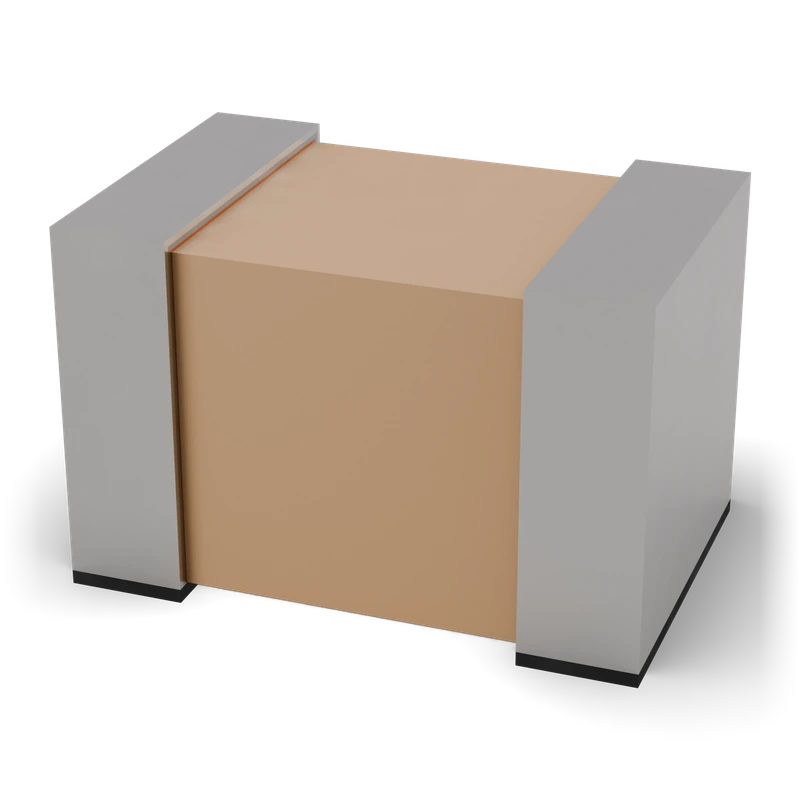
MLCC (multilayer ceramic)Decoupling, high-frequency filter, SMD boards
- Capacitance
- 100 nF
- Package
- 0805
- Dielectric
- X7R
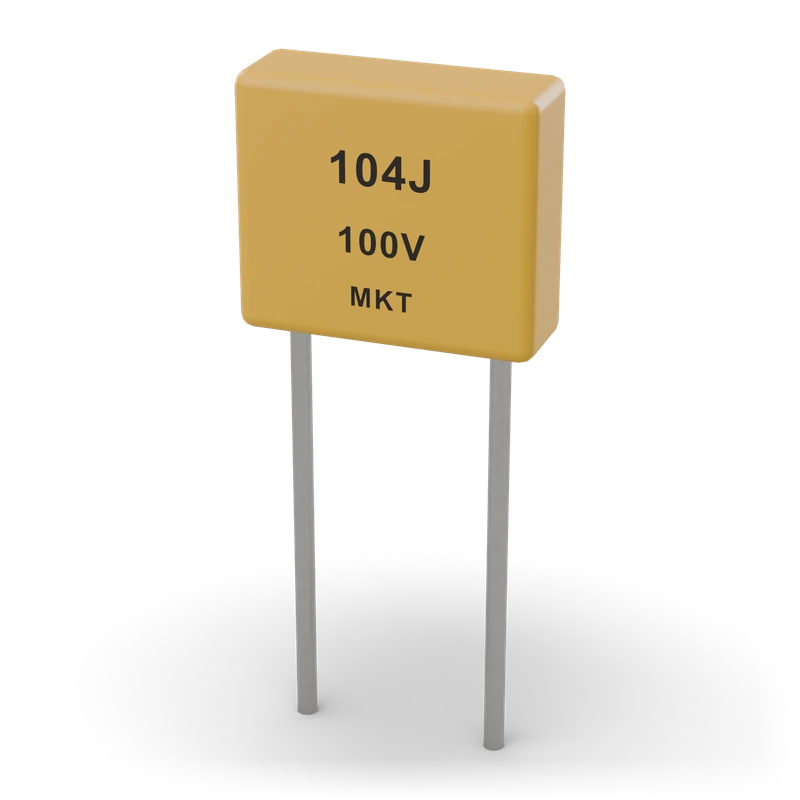
Film (polyester/polypropylene)Stable, low-loss value in timing, audio and filter circuits
- Capacitance
- 100 nF
- Voltage
- 100 V
- Polarity
- None
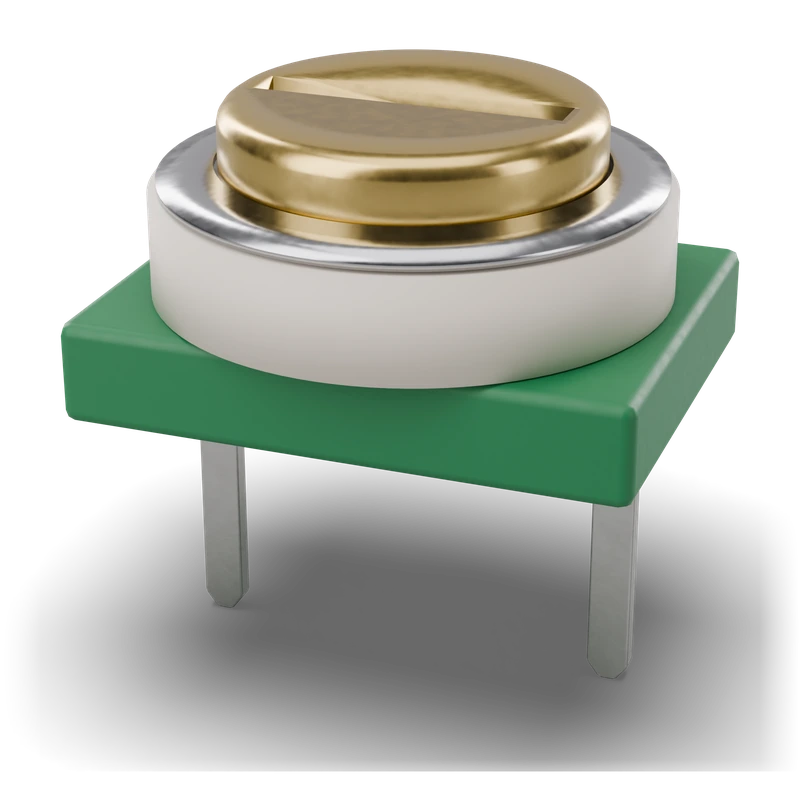
Adjustable (trimmer) capacitorFine-tuning frequency in radio and oscillator circuits
- Range
- ≈2–60 pF
- Adjustment
- Screwdriver
- Polarity
- None
Polarized
2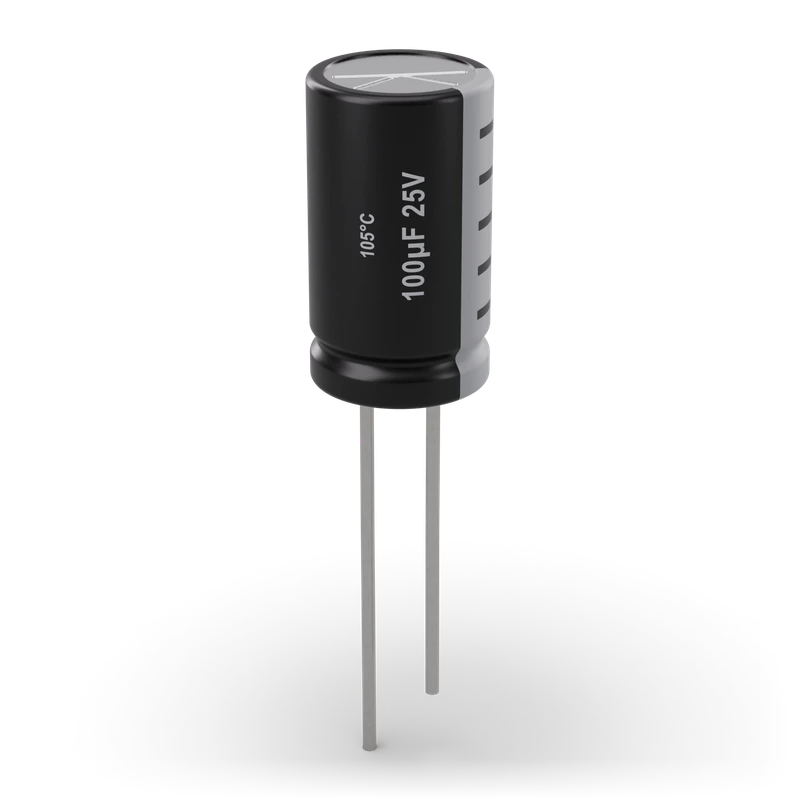
Energy storage
1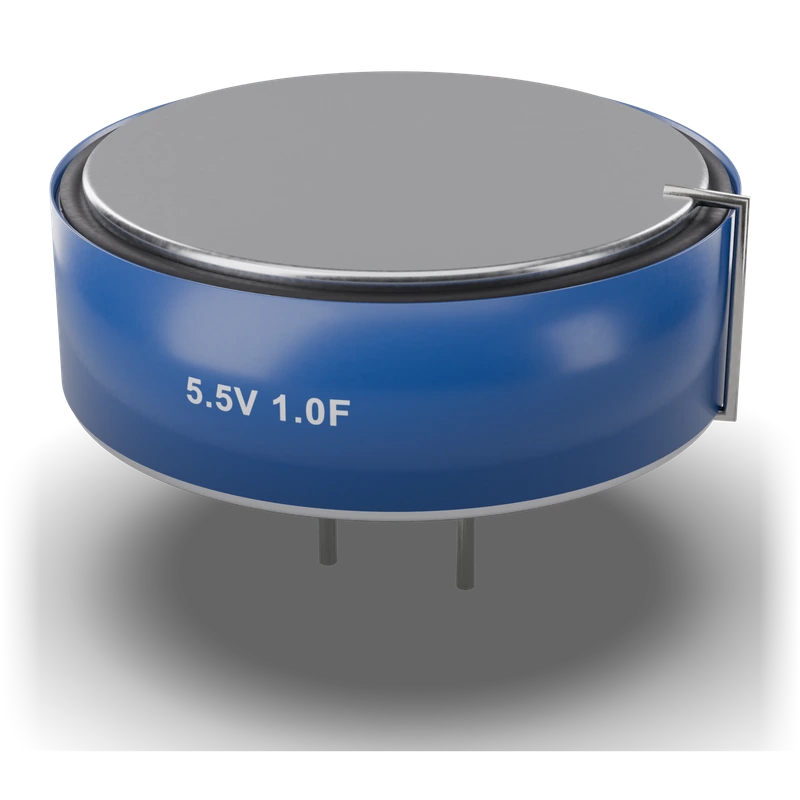
Which one should I choose?
1
If you will put 100 nF at the chip’s supply pin
Small, cheap and with very low ESR.
2
If you need a small general-purpose value on a breadboard
Leaded, nonpolar and easy to find.
3
For µF-level capacity on a power supply line
It gives the cheapest large capacitance.
4
If you want a stable value in 555 or audio circuits
Its value changes little with temperature and voltage.
5
If you want a clock or memory to keep running briefly when power is cut
Farads of capacitance, fast charging.
6
If you'll fine-tune a radio or oscillator frequency
pF level, adjusted with a screwdriver.
Compare7 types · 6 features
| Type | Capacitance range | Voltage | Polarity | Loss/ESR | Price | Typical use |
|---|---|---|---|---|---|---|
| Ceramic disc | 1 pF – 100 nF | 50 V typical | None | Low | Very low | Noise filtering |
| MLCC (multilayer ceramic) | 1 pF – 100 µF | 6.3–100 V | None | Very low | Very low | Decoupling |
| Aluminum electrolytic | 1 µF – 10 000 µF | 6.3–450 V | Yes | High | Low | Power supply filter |
| Tantalum | 0.1–470 µF | 4–50 V | Yes | Low-medium | Medium | Filter in a small area |
| Film (polyester/polypropylene) | 1 nF – 10 µF | 63–630 V | None | Very low | Medium | Timing, audio |
| Supercapacitor | 0.1 F – 500 F | 2.5–2.7 V / cell | Yes | Varies by type | Medium | Backup energy |
| Adjustable (trimmer) capacitor | ≈2–60 pF | Low | None | Low | Medium | Fine frequency tuning |
Typical values; vary by manufacturer and series.