Power supply
Every circuit needs an energy source. Batteries differ by voltage, capacity (mAh) and the current they can deliver; some are rechargeable. For bench experiments, a current-limited lab power supply is the safest choice. An AC source gives a voltage that changes direction; a current source keeps the current constant within its compliance voltage. The Lab uses only low voltage.
8 types2 groupsSymbol IEC
Batteries
4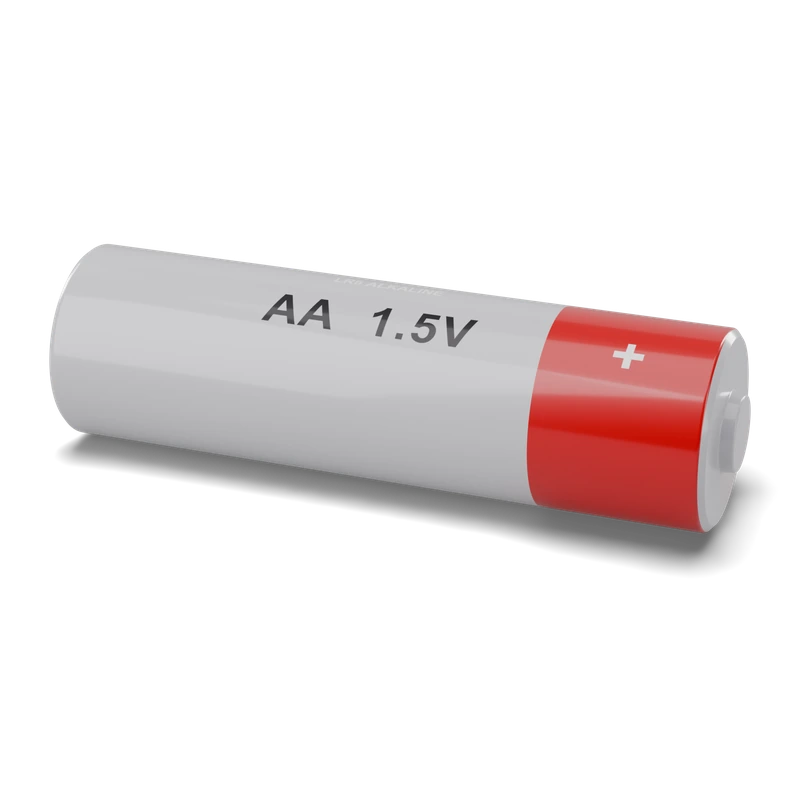
AA batteryLow and medium current portable circuits; 3–6 V with a socket
- Voltage
- 1.5 V
- Capacitance
- 2000–3000 mAh
- Size
- 14.5 × 50.5 mm
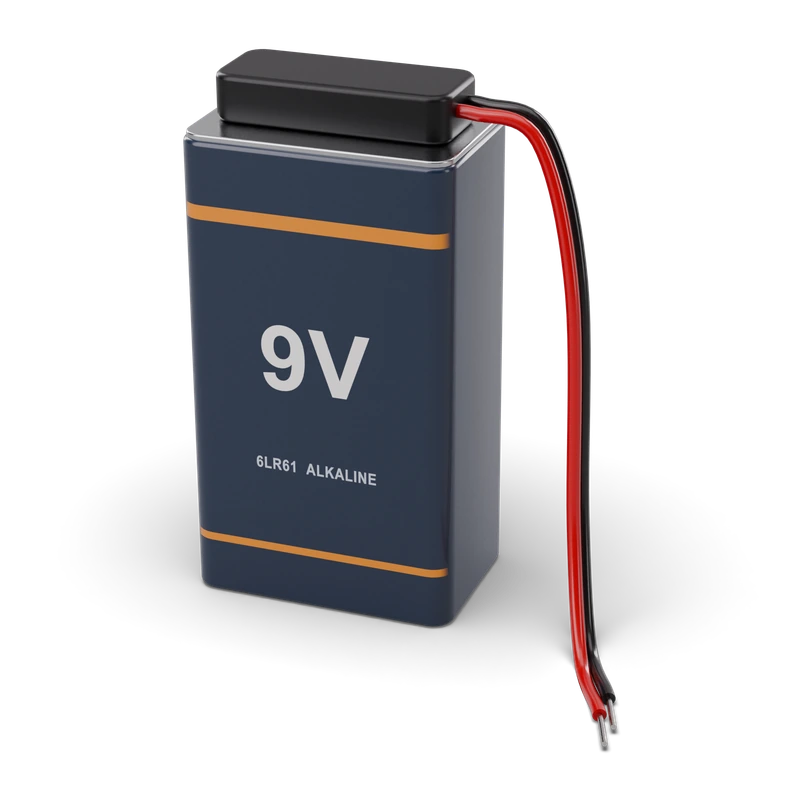
9 V batteryLow-current devices: multimeter, smoke detector
- Voltage
- 9 V
- Capacitance
- ≈500 mAh
- Size
- 48.5 × 26.5 × 17.5 mm
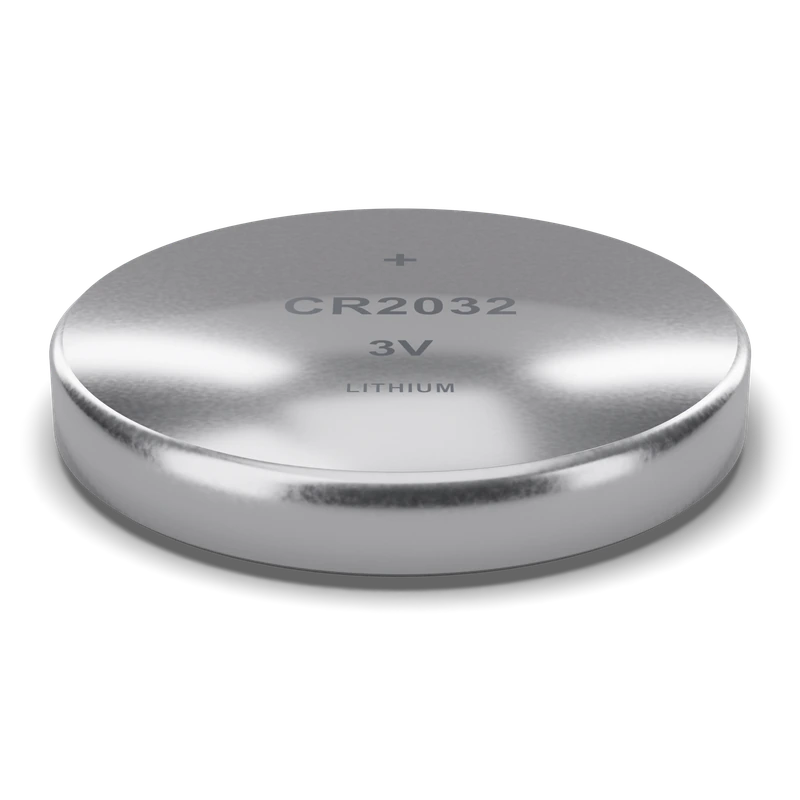
Coin cell (CR2032)Clock, RTC backup and small devices that draw very little current
- Voltage
- 3 V
- Capacitance
- ≈220–240 mAh
- Size
- 20 × 3.2 mm
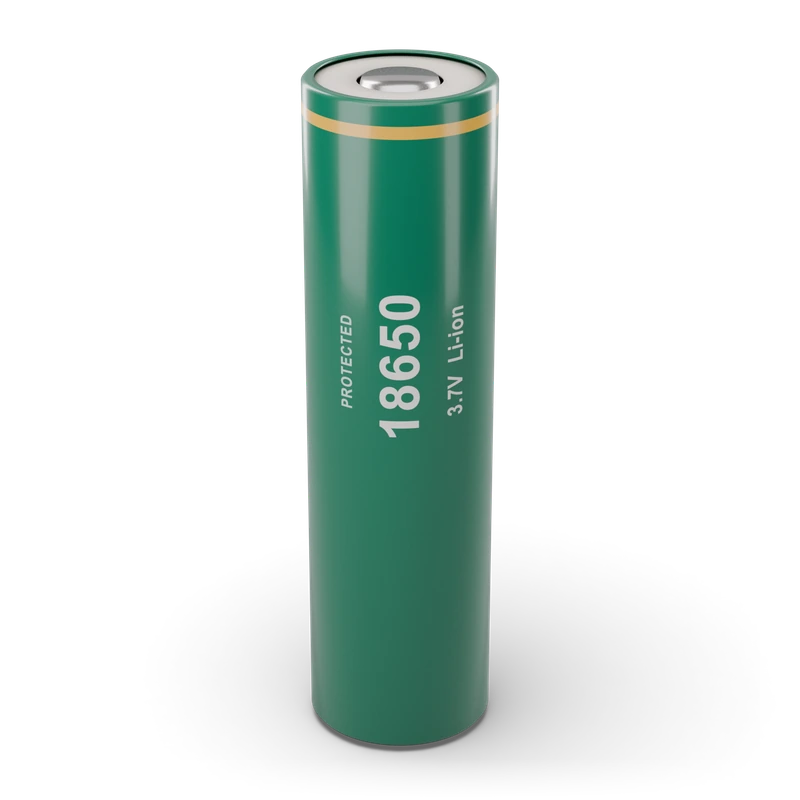
Li-ion cell (18650)Portable projects that need rechargeable, high current and energy
- Nominal
- 3.6–3.7 V
- Full
- 4.2 V
- Capacitance
- 1500–3500 mAh
Holder and source
4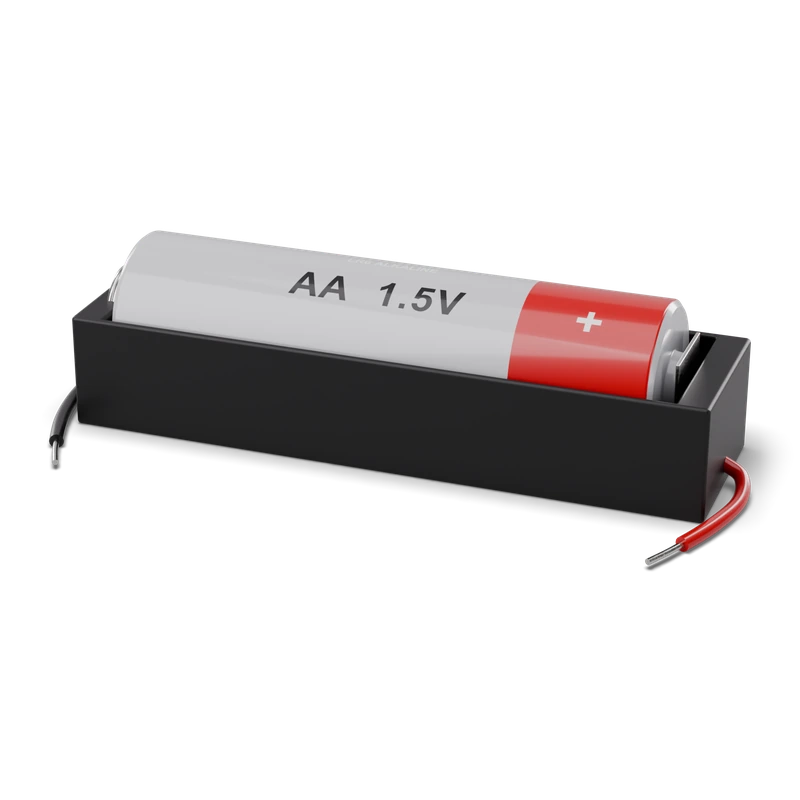
Battery holderConnecting batteries in series to power a circuit safely
- 2 × AA
- 3 V
- 4 × AA
- 6 V
- Wire
- Red + · black −
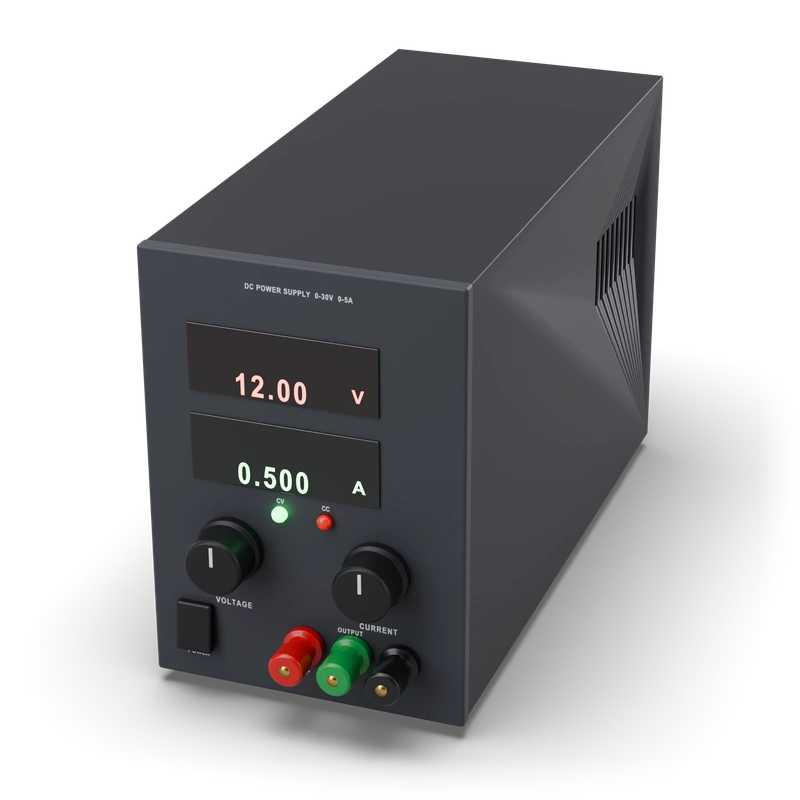
Lab power supplyBench experiments: safe supply with adjustable voltage and current limit
- Voltage
- 0–30 V
- Current
- 0–3 A / 0–5 A
- Mode
- CV · CC
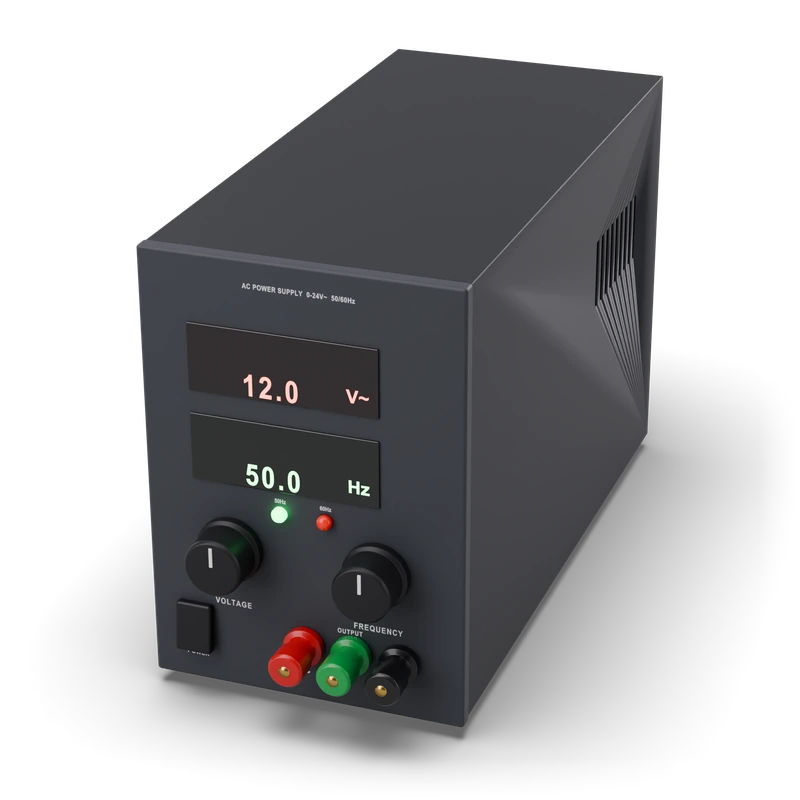
AC source (12 V~ 50 Hz adapter / signal generator)Rectification, RMS measurement and frequency experiments with alternating voltage
- Voltage
- 12 V RMS
- Frequency
- 50 Hz
- Wave
- Sine
Current source (constant current, bench CC mode)Driving a set current even as the load changes, and seeing the source's voltage limit
- Example current
- 10 mA adjustable
- Mode
- CC, constant current
- Compliance voltage
- At most 30 V on the example source
Which one should I choose?
1
If you power a circuit that draws little current for a long time
Easy to find, high capacity.
2
If you need a small backup for a clock or RTC
It is small and lasts years on microamps.
3
If you want a rechargeable, powerful and portable source
High energy and current; use with a protection circuit.
4
To connect several AA batteries in series
Comes with the series connection and wires ready.
5
If you are experimenting at the bench and want to limit the current
If there is a fault, the current limit protects the parts.
6
If you will power a low-current 9 V device like a multimeter
9 V from a single battery; lasts long at low current.
7
If you will do low-voltage AC or rectification experiments
Use an isolated 12 V~ source; there is no mains in Lab.
8
If you'll keep the current constant even when the load changes
CC mode adjusts the voltage to the load; stay under the voltage ceiling.
Compare8 types · 5 features
| Type | Nominal voltage | Capacitance | Charge | Max. current | Typical use |
|---|---|---|---|---|---|
| AA battery | 1.5 V (NiMH 1.2 V) | 2000–3000 mAh | Alkaline: no | Medium | Remote control, toy |
| 9 V battery | 9 V | ≈500 mAh | Alkaline: no | Low | Multimeter, detector |
| Coin cell (CR2032) | 3 V | ≈220–240 mAh | No | A few mA | Clock, RTC backup |
| Li-ion cell (18650) | 3.6–3.7 V | 1500–3500 mAh | Yes (4.2 V, CC/CV) | High (A level) | Portable project |
| Battery holder | Number of cells × cell | As much as a single battery | Relative to the battery | Relative to the battery | Connecting batteries in series |
| Lab power supply | 0–30 V (adjustable) | Unlimited (mains) | Not needed | 0–3 A / 0–5 A | Bench experiments |
| AC source (12 V~ 50 Hz adapter / signal generator) | 12 V RMS, 50 Hz | By VA / load limit | Not needed | According to the source’s label | Rectification, AC measurement |
| Current source (constant current, bench CC mode) | Depends on the load, up to the compliance limit | By source limit | Not needed | Set CC value | Constant current experiment |
Battery capacity changes noticeably with the current drawn and temperature.